
A Time-Travel Tour of Music at Ludlow Castle
If you listen closely in the castle ruins, you might just hear echoes of music from centuries past – choirs singing in the chapel, minstrels entertaining in the halls, and even the sounds of a magical masque written by a world-famous poet drifting through the air.
This rich musical legacy lives on today. We recently hosted the Robin Hood Youth Orchestra who added their own chapter to Ludlow Castle’s story, performing an uplifting mix of classical, popular, folk and jazz music within the castle walls.
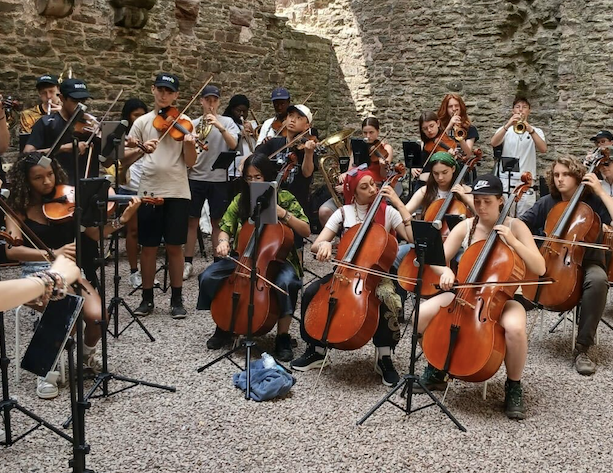
Music through the Ages:
Back in medieval times, Ludlow’s halls would have echoed with the sound of travelling minstrels. If you’d walked through the castle in the 1300s, you might have heard chants in the chapel or pipe music drifting from the towers. Imagine a bard serenading the court under candlelight!
Medieval & Renaissance (11th – 16th Century):
As the seat of the Council of the Marches, Ludlow Castle was a vibrant centre of activity. Courtly and religious music would have accompanied daily life, and while historical records are limited, it’s likely that minstrels and sacred music filled the air. Drums, trumpets, and other instruments would have been used for ceremonies and military signals.
Tudor & Stuart Era (16th – 17th Century):
Under monarchs like Henry VIII and Mary Tudor, Ludlow Castle thrived as a cultural hub. The arrival of the “Queen’s Players” in the 1610s suggests that theatrical and musical performances were common, entertaining both council members and noble guests.
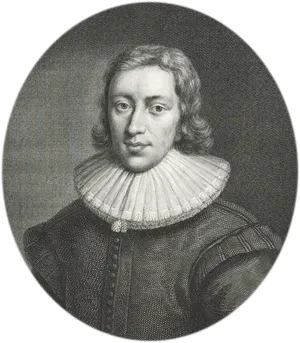
One of the most remarkable moments in the castle’s musical history was the first performance of John Milton’s Comus in 1634. This courtly ‘masque’, created for the Earl of Bridgewater, featured a rich blend of music, poetry, drama, elaborate costume and dance – firmly establishing Ludlow Castle as a prestigious performance venue.
Music for modern times
Fast-forward to the 20th and 21st centuries, and Ludlow Castle continues to evolve as a musical landmark. From revivals of historic performances to major open-air concerts, the castle has proven that its ancient walls still make a perfect backdrop for unforgettable live music.
20th Century (1900s):
During this time, George Herbert, 4th Earl of Powis, began repairing and restoring Ludlow Castle. It was officially declared an Ancient Monument in 1915. To mark the 300th anniversary of Comus, Milton’s masque was revived – celebrating the castle’s enduring connection to music and performance.
From 1960 onwards, the Ludlow Festival became an annual cultural highlight, with Shakespeare plays and a mix of classical and contemporary music performances filling the summer air.
21st Century (2000s – Present):

Today, Ludlow Castle is home to the Live at Ludlow Castle concert series, drawing major acts and music lovers from across the UK. This month we’re excited to host the likes of Jess Glynne, Olly Murs, Texas, and The Script, proof that Ludlow remains a dynamic stage for live music. Importantly, these large-scale music events also play a vital role in preserving and protecting the castle for future generations. The concerts help raise funds to the Castle’s restoration levy – which this year contributed to the cost of specialist steeple jacks to deal with vegetation and masonry repairs. This specialist work that was only possible by receiving the restoration levy. Look out for a further feature on the specialist firm that carried out this work.
Beyond headline concerts, the castle also hosts informal acoustic sets and performances during Ludlow Spring Festival and Ludlow Food Festival is where great local food is served with a side of fantastic live music.