
Discover how the Victorians celebrated Christmas; from parlour decorations and festive feasts to charity, carols, and timeless traditions, as Ludlow Castle recreates the warmth of a 19th-century Christmas.

By the time Queen Victoria came to the throne in 1837, Ludlow Castle had already lived many lives. Once a seat of royal authority and later a romantic ruin, by the 19th Century it had become a landmark of heritage and history – admired for its character rather than its power. The Castle’s preservation was ensured by the Earl of Powis, whose family ownership protected it from decline, allowing future generations to enjoy its historic setting.
Although the Castle itself was uninhabited, it remained a popular place to visit. The ‘picturesque movement’ of the previous century had turned ruins like Ludlow into celebrated destinations for artists and travellers seeking beauty in the remnants of the past. Visitors came to sketch the towers, explore the grounds, and reflect on the history of the Marches (you can find out more about this romantic renaissance of the Castle in our Romantic Ruins blog).
This Christmas, Ludlow Castle is honouring that period of history by transforming the Beacon Rooms into a Victorian parlour, complete with festive decorations inspired by 19th Century traditions. Alongside the community-led Christmas Tree Trail and our Meet Father Christmas experience, it offers a glimpse into how families of the Victorian era celebrated the season.
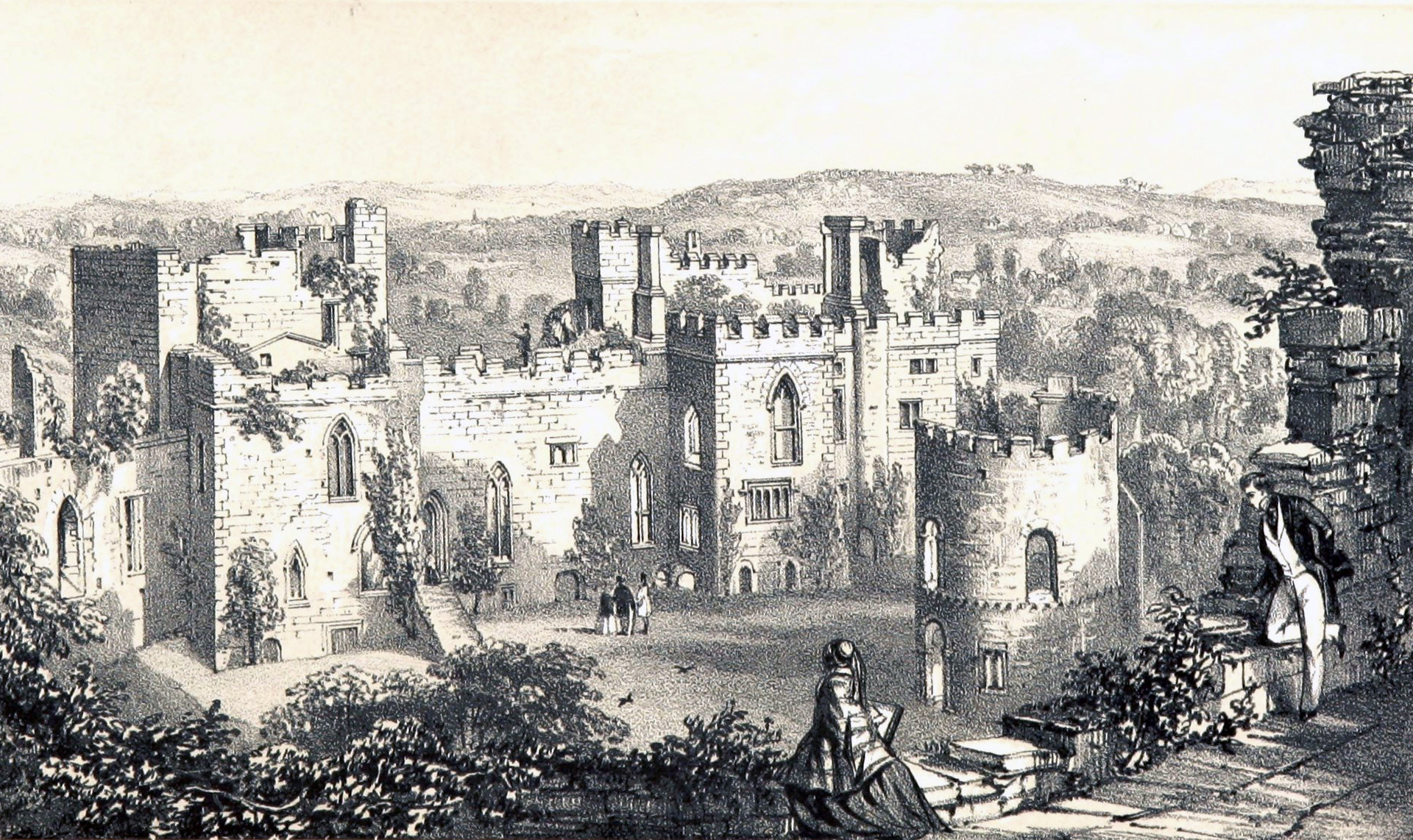
Ludlow Castle in the 19th Century
In the 1800s, the Castle stood as a reminder of England’s medieval past, but it was far from forgotten. Powis Estates maintained its structure and ensured its grounds were accessible to the growing number of visitors drawn by its historical significance.
Christmas Pastimes and Parlour Games
Entertainment played an important role in Victorian Christmas celebrations. Without the distractions of modern technology, families filled the season with games, songs, and storytelling. Charades, Blind Man’s Bluff, and card games were popular, while Snapdragon – a game involving raisins and burning brandy, provided more daring amusement!
Reading aloud was also common. Charles Dickens’ A Christmas Carol, (published in 1843), helped define the Victorian understanding of Christmas as a time of reflection, generosity, and goodwill. Singing Christmas carols became a familiar tradition for household festivities during long winter evenings. On this note, you can enjoy the sound of carols in the Castle walls this Christmas as we host Carols in the Castle on 22nd December – find out more information here.
A Victorian Christmas Feast
The Christmas meal was the highlight of the season. For many families, it was the most elaborate dinner of the year. Goose, beef, or turkey might serve as the centrepiece, surrounded by roast potatoes, root vegetables, and rich gravies. In the rural areas like Shropshire, game such as pheasant or venison was also common.
Christmas pudding was prepared weeks in advance and served with brandy, often set alight for dramatic effect. Mince pies, once savoury, had become sweet by this time, filled with currants and citrus peel. Crackers were also brought to our homes during the Victorian era – invented by confectioner Tom Smith in the 1840s.
A Season of Reflection and Charity
While the Victorians enjoyed their celebrations, they also viewed Christmas as a time for compassion. Charitable giving increased during the season, with donations to local churches, gifts to servants, and collections for the poor. This sense of social responsibility was as integral to Christmas as the decorations and dining.
Today, Ludlow Castle brings this history to life once again. It’s a magical destination to visit over the winter months and with our Meet Father Christmas and Christmas Tree Trail, you’ll find an extra sprinkle of magic.
Meet Father Christmas running from 6th – 23rd December – Book your visit here.
Christmas Tree Trail – Included in Castle admission and opens on Saturday 29th November until Sunday 4th January, featuring trees decorated by local groups and businesses. Victorian
Christmas in the Beacon Rooms is also included with Castle admission.